Website visitors form opinions about a brand within seconds of landing on a page. Visual design plays a major role in shaping these impressions, and photography often becomes the first element users notice. While stock photography remains a convenient solution for website visuals, overly posed or artificial images can reduce credibility. Modern brands now prioritize stock photos that feel natural, authentic, and relatable. Choosing images that do not look staged helps create a more engaging and trustworthy online experience.
Why Natural Website Imagery Matters
Authenticity has become a key expectation among online audiences. Visitors want to see realistic situations rather than exaggerated marketing scenes. When website visuals appear genuine, users are more likely to trust the brand and continue exploring the site.
Staged stock images—such as forced smiles, unrealistic office settings, or overly perfect environments—can make websites feel impersonal. In contrast, natural imagery reflects real life and human experiences, encouraging emotional connection. Brands that use authentic visuals communicate transparency and confidence, which positively influences user perception and conversion rates.
Characteristics of Non-Staged Stock Photos
Stock photos that avoid a staged appearance typically share several important qualities. First, they capture candid moments rather than rigid poses. People interacting naturally, working collaboratively, or enjoying everyday activities appear more believable to viewers.
Lighting also plays a significant role. Natural light, soft shadows, and imperfect compositions create realism. Images that feel slightly spontaneous often perform better than heavily edited studio shots.
Another key factor is environment authenticity. Realistic locations such as lived-in homes, genuine workplaces, or outdoor settings help audiences relate to the scene. These visuals mirror everyday experiences, making website content more approachable and human-centered.
How to Select Authentic Stock Photos for Websites
Choosing the right stock images begins with understanding your website’s purpose and target audience. A professional service website may require calm, confident imagery, while creative brands might benefit from relaxed lifestyle visuals.
When searching for images, focus on storytelling rather than decoration. Each photo should support the website message and guide users through the brand narrative. Avoid selecting images simply because they look attractive; relevance is more important than aesthetics alone.
Combining photography with design elements such as Free Vector Images can also enhance website visuals. Vector graphics complement authentic photography by adding structure and visual clarity without overpowering natural imagery. This balance helps maintain a modern and professional design.
Tips for Making Stock Photos Look More Natural
Even high-quality stock images can feel staged if used incorrectly. Simple adjustments can improve authenticity and brand alignment. Cropping images creatively, adjusting color tones, or applying consistent editing styles helps integrate photos seamlessly into website layouts.
Another effective strategy is consistency. Use images with similar lighting, color palettes, and emotional tone throughout the website. Consistency reinforces brand identity and prevents the visual experience from feeling fragmented.
Limiting the number of images per page also improves impact. Carefully chosen visuals draw attention to important messages rather than overwhelming visitors with unnecessary imagery.
Enhancing Website Design with Authentic Visual Strategy
Authentic stock photos work best when combined with thoughtful website design. Clean layouts, readable typography, and supportive visual elements such as Free Vector Images create harmony between photography and functionality.
Modern websites prioritize user experience, and natural visuals contribute to smoother navigation and stronger engagement. Authentic imagery encourages visitors to stay longer, explore more content, and ultimately develop trust in the brand.
Conclusion
Stock photos remain an essential resource for website design, but success depends on selecting images that feel real rather than staged. By focusing on candid moments, natural lighting, and meaningful storytelling, businesses can create websites that resonate with modern audiences. Integrating authentic photography alongside complementary visuals like Free Vector Images allows brands to achieve a professional, relatable, and visually consistent online presence that supports both credibility and conversion goals.
In today’s visually driven world, stock photos have become essential for anyone looking to enhance their content. Whether you’re a blogger, marketer, or small business owner, the right image can make all the difference in capturing attention and conveying your message. I’ve seen firsthand how a powerful visual can elevate an article or social media post, drawing readers in and keeping them engaged.
However, not all stock photos are created equal. With countless options available, it’s crucial to know how to choose images that resonate with your audience and align with your brand. In this article, I’ll dive into the world of stock photos, sharing insights on how to find the perfect images, the importance of authenticity, and tips for using them effectively. Let’s explore how to make stock photos work for you and your content strategy.
Overview Of Stock Photos
Stock photos serve as a vital resource for creating engaging content. These images enhance visual appeal and support storytelling for various audiences.
Definition Of Stock Photos
Stock photos are professional photographs available for licensing or purchase. They’re used across multiple platforms, including websites, blogs, advertisements, and social media. Stock photos provide versatile visuals that cater to diverse themes and industries, enhancing content quality without the need for custom photography.
Types Of Stock Photos
Royalty-Free Photos: Users pay a one-time fee for perpetual use without additional licensing fees.
Rights-Managed Photos: Users pay based on specific usage parameters, such as duration and distribution, allowing for a customized licensing agreement.
Editorial Photos: These images focus on newsworthy events and public figures, suitable for media outlets and publications.
Commercial Photos: Designed for marketing and advertising, these images promote products and services, typically falling under royalty-free licensing.
Free Stock Photos: Offered without charge, these images are available on various platforms, but users must check licensing agreements for usage restrictions.
Benefits Of Using Stock Photos
Using stock photos offers significant advantages for content creators. Stock photos enhance visual storytelling and attract audience attention effectively.
Cost-Effectiveness
Selecting stock photos provides budget-friendly options compared to hiring a professional photographer. Purchasing licensing for stock photos often costs between $1 to $100 per image, depending on usage and resolution. Licensing ensures no recurring expenses for owning images, making stock photos a practical choice for small businesses and startups.
Time-Saving
Utilizing stock photos saves valuable time in content creation. Finding and downloading images through stock photo websites typically takes mere minutes. This efficiency allows me to focus on content strategy rather than production logistics. Accessing a vast library of diverse images ensures quick acquisition, facilitating timely postings and campaigns.
Best Sources For Stock Photos
Finding high-quality stock photos is essential for creating engaging content. Numerous websites cater to various needs, offering both free and paid options.
Free Stock Photo Websites
I often turn to these platforms for free stock photos, providing excellent quality without the need for licensing fees:
Unsplash: Offers a vast collection of high-resolution images contributed by photographers worldwide. All photos on Unsplash are free to use for commercial and non-commercial purposes.
Pexels: Features a diverse range of free stock photos and videos, allowing for various content types. The site has a user-friendly interface, making it easy to search for specific themes.
Pixabay: Hosts over 1.7 million free stock photos, illustrations, and videos. All images are released under a simplified Pixabay license, enabling broad use without attribution.
Paid Stock Photo Websites
For premium quality and unique images, I prefer these paid stock photo websites, which often feature more exclusive content:
Shutterstock: Offers millions of high-quality stock photos, vectors, and illustrations. Pricing varies based on subscription plans, starting around $29 for 10 images.
Adobe Stock: Integrates seamlessly with Adobe Creative Cloud, providing access to millions of stock images. Subscriptions begin at $29.99 per month for 10 standard assets.
Getty Images: Features an extensive library of premium stock photos, with options tailored to commercial use. Pricing can start from $50 per image, reflecting the high quality and exclusivity.
Whether opting for free or paid sources, selecting the right stock photos greatly enhances visual appeal and effectiveness in content strategy.
Tips For Choosing The Right Stock Photos
Selecting the right stock photos involves understanding licensing and relevance to your content. Applying these tips enhances the quality of visuals and aligns with your brand identity.
Understanding Licensing
Familiarize yourself with different stock photo licensing agreements. Royalty-free licenses allow unlimited usage for a one-time fee, making them ideal for frequent use. Rights-managed licenses restrict usage based on specific terms and can vary in cost depending on factors like duration and audience size. For specific applications, such as blogs or social media, ensure you understand your rights to avoid legal issues. Always read the terms of each platform to choose the most suitable licensing for your needs.
Selecting Relevant Images
Choose stock photos that align with your content’s theme and messaging. Focus on images that evoke emotions relevant to your audience, whether it’s excitement, trust, or inspiration. Consider the demographics of your target audience when selecting images to ensure they resonate. Utilize keywords when searching to narrow down options effectively. Always preview images in context to assess how well they support your narrative and enhance engagement.
Conclusion
Stock photos are more than just pretty pictures; they’re essential tools for anyone looking to elevate their content. By choosing the right images that resonate with your audience and reflect your brand, you can significantly enhance engagement and storytelling.
With a wealth of resources available both free and paid, finding the perfect stock photo has never been easier. Remember to consider licensing agreements and the emotional impact of your chosen images.
Investing time in selecting high-quality stock photos can pay off by making your content visually appealing and effective. Embrace the power of visuals and watch your content strategy thrive.
We can’t think of a more beautiful backdrop for capturing the magic of pregnancy than the serene beach setting. The gentle waves rolling in the soft golden sand and the warm sunlight create the perfect canvas for immortalizing this precious chapter of life.
We’re thrilled to share our favorite tips and inspiration for creating stunning beach maternity photos that you’ll treasure forever. From choosing the ideal time of day to selecting the perfect flowing dress these oceanside photo sessions offer endless possibilities for breathtaking shots. The natural elements of the beach complement the beauty of motherhood creating an ethereal and timeless atmosphere that’s simply unmatched by other locations.
Why Beach Maternity Photos Are So Popular
Beach maternity photos create stunning visual stories through natural elements:
Rolling waves provide movement behind expectant mothers
Golden sunlight enhances the maternal glow during sunrise or sunset
Sandy shorelines offer neutral backgrounds that complement any outfit
Ocean breezes create flowing movement in maternity dresses
Soft textures from sand dunes add depth to compositions
The beach setting amplifies the emotional connection in maternity photography:
The vastness of the ocean symbolizes new beginnings
Peaceful atmospheres reflect the serenity of pregnancy
Natural light illuminates baby bumps beautifully
Bare feet in sand capture authentic moments
Horizon lines frame silhouettes perfectly
Here’s why beach locations outperform other settings:
Element
Advantage
Lighting
Natural diffusion creates soft, flattering angles
Color
Blues, tans, whites complement skin tones
Space
Open areas allow creative posing options
Timing
Multiple shooting windows throughout the day
Weather
Ocean breezes keep mothers comfortable
The beach environment offers unique photo opportunities:
Wedding venues recommend beach locations for maternity shoots
Maternity photographers specialize in coastal sessions
Best Time of Day for Beach Maternity Pictures
Capturing beach maternity pictures at the optimal time transforms ordinary photos into extraordinary memories. The timing’s crucial for achieving that perfect coastal glow and avoiding harsh lighting conditions.
Golden Hour Photography
The golden hour creates magical beach maternity pictures with its warm amber light appearing 60-90 minutes before sunset. During this time, the sun’s position produces soft, diffused lighting that bathes expectant mothers in a gentle, flattering glow. The low-angled sunlight creates stunning silhouettes against the ocean backdrop while minimizing unflattering shadows on the face. Timing examples for golden hour shoots:
Schedule sessions 90 minutes before sunset in summer months
Book appointments 60 minutes before sunset in winter months
Plan for 45-minute photo sessions to maximize golden light
Arrive 15 minutes early for location scouting
Early Morning Sessions
Empty beaches for uninterrupted shooting
Calm waters with minimal wave activity
Soft, even lighting without harsh shadows
Cool temperatures for comfort during pregnancy
Clear skies before afternoon clouds form
Time of Day
Lighting Quality
Beach Conditions
Temperature
Golden Hour
Warm, soft amber
Moderate crowds
Comfortable
Early Morning
Cool, crisp light
Empty beaches
Cool
What to Wear for Beach Maternity Photos
Selecting the perfect attire for beach maternity photos creates a stunning visual impact that complements the natural coastal setting. Let’s explore the essential elements of beach maternity fashion that photographs beautifully against sand sea backdrops.
Color and Fabric Choices
Light, flowing fabrics in soft colors create ethereal beach maternity pictures that capture the essence of motherhood. Here’s what works best:
Choose lightweight chiffon maxi dresses that catch the ocean breeze
Select pastel colors like blush pink powder blue or ivory that reflect natural light
Opt for solid colors or subtle patterns that won’t distract from your baby bump
Pick wrinkle-resistant materials that maintain their shape in humid conditions
Include white dresses for classic beach shots that never go out of style
Accessorizing Your Look
The right accessories enhance beach maternity pictures without overwhelming the natural beauty of pregnancy:
Wear delicate gold or silver jewelry that catches sunset light
Add a flower crown with coastal blooms for bohemian-style photos
Include a sheer wrap or shawl for layering effects
Choose barefoot sandals or ankle bracelets for feet-in-sand shots
Select waterproof makeup that withstands ocean spray
Use hair accessories that secure styles against sea breezes
Fabric Type
Benefits for Beach Photos
Chiffon
Flows elegantly catches wind
Jersey
Stretches comfortably shows curves
Silk
Creates luxurious movement
Cotton Voile
Breathes well in heat
Tulle
Adds dramatic volume
Posing Ideas for Beach Maternity Pictures
Capturing stunning beach maternity pictures requires a mix of natural poses that highlight both the beauty of pregnancy and the coastal setting. Let’s explore specific poses that create magical moments against the ocean backdrop.
Standing Poses in the Waves
The gentle waves create a perfect setting for dynamic standing poses that celebrate pregnancy. Here are effective poses to try:
Place one hand above the belly and one below while looking toward the horizon
Stand sideways with the dress flowing in the breeze to accentuate the bump
Create a silhouette by standing at a 45-degree angle during golden hour
Hold hands with your partner while walking along the waterline
Position yourself where the waves meet your feet for added movement
Frame your belly with both hands while the waves crash behind you
Sitting Poses in the Sand
The soft sand offers comfortable positions for intimate maternity portraits. These poses showcase the baby bump beautifully:
Sit cross-legged with hands gently cradling the belly
Recline on one side with legs extended, propped up on an elbow
Create heart shapes in the sand around your belly while sitting
Sit with knees bent and arms wrapped around them
Position yourself at the water’s edge where waves create natural framing
Rest in the dry sand with legs extended and arms supporting from behind
Each pose incorporates natural elements of the beach while maintaining comfort for the expectant mother. We recommend practicing these positions before the actual shoot to ensure smooth transitions between poses.
Working With Natural Elements
Beach maternity photos come alive through the dynamic interaction with coastal elements, creating captivating images that celebrate the beauty of pregnancy against nature’s backdrop.
Using Wind and Waves
Ocean waves provide a mesmerizing backdrop for beach maternity pictures when incorporated strategically. Position the expectant mother near breaking waves to capture the spray creating a dreamy effect. Light breezes add movement to flowing dresses creating ethereal shots – let fabric dance naturally in the wind. Incorporate wave patterns in the wet sand as leading lines drawing attention to the belly bump. Time shots with incoming waves to capture reflections in the shallow water creating mirror-like effects.
Incorporating Natural Light
Natural beach lighting transforms maternity photos through dramatic highlights shadows. Position the mother with side lighting to accentuate the belly’s curve through gentle shadows. Capture sun flares peeking through raised arms or around the silhouette during golden hour. Use the water’s surface as a natural reflector bouncing soft light upward. Frame shots with the sun behind clouds for perfectly diffused lighting across the entire scene. Incorporate backlighting techniques to create a glowing outline around both mother belly.
Tips for Choosing the Perfect Beach Location
Finding the right beach spot transforms maternity pictures from beautiful to breathtaking. Here’s our guide to selecting an ideal coastal location:
Consider Privacy Level
Scout secluded coves away from busy areas
Look for beaches with natural rock formations that create private nooks
Choose weekday mornings or evenings when beaches have fewer visitors
Evaluate Beach Features
Select locations with varied backgrounds (dunes, cliffs, piers)
Find spots with smooth sand free from debris
Look for beaches with shallow water pools for reflection shots
Identify areas with sea grass or driftwood for natural props
Check Access Points
Choose beaches with paved parking within 100 yards
Ensure clear paths to the shooting location
Verify wheelchair accessibility if needed
Pick spots with nearby restroom facilities
Research Local Regulations
Obtain photography permits if required
Check beach hours for sunrise/sunset shoots
Verify seasonal beach closures
Confirm public vs private beach access rules
Scout Natural Elements
Find areas protected from strong winds
Look for spots with minimal seaweed washing ashore
Choose locations facing west for sunset shots
Identify shaded areas for midday shoots
Location-Specific Details
Feature
Optimal Distance
Benefit
Parking to Beach
100-200 feet
Easy equipment transport
Water to Shooting Area
50-75 feet
Safe distance from waves
Distance from Crowds
200+ feet
Privacy during session
Height of Dunes/Cliffs
15-20 feet
Dramatic backdrop options
These specific details help create stunning beach maternity pictures while ensuring comfort safety during the photo session.
Essential Props and Photography Equipment
Camera Equipment
Professional DSLR or mirrorless camera with weather-sealing protection
Wide-angle lens (24-70mm) for capturing expansive beach scenes
Telephoto lens (70-200mm) for intimate close-up maternity shots
UV filters to protect lenses from salt spray
Polarizing filters to reduce glare from water surfaces
Weatherproof camera bag with sand protection
Lighting Equipment
Collapsible reflector for filling shadows
LED light panel for evening shoots
Flash with diffuser for fill lighting
Light stands with sandbags for stability
White umbrella diffuser for harsh sunlight
Battery packs for extended beach sessions
Props for Maternity Photos
Letter boards for announcing due dates
Floral wreaths in waterproof materials
Seashell collections for detail shots
Fabric panels in coordinating colors
Beach blankets in neutral tones
Wooden crates for sitting poses
Rose petals for romantic shots
Practical Accessories
Microfiber cloths for cleaning lenses
Portable changing tent
Beach umbrella for shade breaks
Waterproof equipment covers
Sand anchors for stabilizing equipment
First aid kit with sunscreen
Bottled water supply
Comfort Items
Portable fan for cooling
Beach chairs for resting
Non-slip foam mat for kneeling
Towels for cleaning feet
Hand sanitizer
Bug spray (natural formula)
Emergency snacks
Each item serves a specific purpose in creating stunning beach maternity pictures while ensuring the comfort safety of the expecting mother. These tools enable photographers to capture creative angles controlled lighting consistent quality throughout the session.
Conclusion
We’re so thrilled about the magic that happens when expectant mothers choose the beach as their maternity photo backdrop! The combination of rolling waves soft sand and golden sunlight creates unforgettable memories that’ll be cherished for generations to come.
Let’s embrace these precious moments and create stunning beach maternity photos that capture both the beauty of motherhood and nature’s perfect canvas. With the right timing location wardrobe and a dash of creativity we can transform this special milestone into artistic masterpieces that’ll take our breath away every time we look at them.
We can’t wait to see the beautiful beach maternity photos you’ll create using these tips and inspiration!
The early 20th century marked a revolutionary period in art history, where traditional forms gave way to bold new expressions of creativity. As society underwent rapid industrial, economic, and cultural transformations, artists responded by breaking free from conventional artistic boundaries and exploring innovative ways to represent reality.
We’ve witnessed how this transformative era gave birth to several groundbreaking movements, including Cubism, Fauvism, Expressionism, and Surrealism. These movements didn’t simply emerge in isolation – they represented the artistic community’s response to the profound societal changes shaping modern civilization. While these styles didn’t always fit neatly into specific timeframes, they collectively redefined how we perceive and create art, laying the foundation for contemporary artistic expression that we still see today.
The Birth of Modern Art Movements
Early 20th century art movements emerged as a response to rapid industrialization urban growth social change between 1900-1935. This transformative period introduced revolutionary artistic approaches such as:
Fauvism (1905-1908) Marked by intense colors unnatural forms vibrant brushwork in paintings like Matisse’s “Woman with a Hat”
Cubism (1907-1914) Characterized by geometric shapes fragmented forms multiple viewpoints in representing three-dimensional objects
Futurism (1909-1914) Emphasized speed technology industrial progress through dynamic compositions abstract forms
These artistic movements rejected traditional representation techniques favored:
Abstract forms over realistic depiction
Bold experimentation with color shape
New perspectives on visual representation
Integration of modern industrial elements
Each movement contributed distinct visual languages techniques that shaped modern art’s development. Artists explored unconventional methods materials to express their interpretation of rapidly changing modern life.
Fauvism and Expressionism in Europe
The early 20th century art movement witnessed two revolutionary artistic expressions that emerged simultaneously in France and Germany. These movements challenged traditional artistic conventions through bold color choices and emotional intensity.
The Wild Fauves of France
Fauvism emerged in France between 1904-1908, led by Henri Matisse and André Derain. The movement earned its name “les Fauves” (the wild beasts) due to its radical approach to color and form. Notable characteristics include:
Employs vivid non-naturalistic colors
Features bold brushwork with simplified forms
Emphasizes painterly qualities over realistic representation
Uses pure color straight from paint tubes
Creates emotional impact through color contrasts
Key Fauvist artists and their contributions:
Artist
Nationality
Notable Contribution
Henri Matisse
French
Movement leader, pioneered expressive color use
André Derain
French
Created landmark colorful cityscapes
Georges Braque
French
Early Fauvist before transitioning to Cubism
Maurice de Vlaminck
French
Known for intense color application
German Expressionist Movement
German Expressionism developed as a distinct artistic voice in the early 1900s, emphasizing emotional experience over physical reality. The movement’s characteristics include:
Distorts forms for emotional effect
Uses angular shapes and harsh lines
Incorporates dark themes and psychological content
Reflects social unrest and cultural anxiety
Features intense color palettes
The movement manifested in various artistic forms:
Medium
Notable Features
Painting
Subjective perspectives, emotional intensity
Theater
Abstract sets, exaggerated performances
Film
High contrast lighting, distorted angles
Architecture
Dynamic forms, bold geometric shapes
The movement flourished particularly in Berlin during the Weimar Republic period, producing works that captured the era’s psychological intensity and social turbulence.
The Revolutionary Rise of Cubism
Cubism emerged as a groundbreaking early 20th century art movement that transformed traditional artistic representation through geometric abstraction. This revolutionary approach analyzed objects from multiple viewpoints simultaneously, breaking conventional perspectives in both painting and sculpture.
Analytical and Synthetic Phases
Analytical Cubism (1908-1912) focused on deconstructing objects into geometric shapes using monochromatic palettes of browns blacks and grays. Artists broke down forms into distinct planes creating fragmented compositions that emphasized structure over color.
Synthetic Cubism (1912-1914) introduced:
Brighter color schemes replacing earlier muted tones
Collage elements including newspapers fabrics wallpaper
Multiple viewpoint representation in three-dimensional space
Geometric fragmentation of organic forms
Integration of negative space as an active element
Abstract interpretations of human figures objects
Emphasis on constructed rather than carved forms
Relief constructions combining painting sculpture
Assemblages using mixed materials
Open form sculptures with intersecting planes
Abstract geometric compositions in metal wood
Futurism and Machine Age Aesthetics
Futurism emerged as a significant early 20th century art movement in Milan, celebrating the dynamic energy of modern technology and industrial progress. The movement’s artists employed Cubist-inspired techniques to depict objects and figures in multiple simultaneous states, creating a sense of motion and energy in their works.
Artistic Innovation and Technique
Futurist painters developed distinctive methods to capture movement and speed:
Divisionism technique breaking light and color into stippled dots and stripes
Multiple viewpoint representation showing objects in various positions simultaneously
Integration of Cubist principles to analyze energy and express dynamism
Fragmented forms creating shattered yet animated visual effects
Notable Works and Artists
Key Futurist artworks demonstrate the movement’s core principles:
Artist
Artwork
Year
Umberto Boccioni
Unique Forms of Continuity in Space
1913
Giacomo Balla
Dynamism of a Dog on a Leash
1912
Carlo Carra
Funeral of the Anarchist Galli
1911
Gino Severini
Dynamic Hieroglyphic of the Bal Tabarin
1912
Technological Themes
The movement celebrated modern industrial elements:
Speed and motion in mechanical objects
Urban development and city landscapes
Industrial machinery and transportation
Dynamic energy of modern life
Technological advancement and innovation
The movement’s emphasis on technology and speed reflected Italy’s rapid industrialization during this period. Futurist artists portrayed mechanical subjects through fragmented forms, creating visual representations of movement and energy that captured the essence of the machine age.
The Dada Revolution
Dada emerged as a revolutionary anti-art movement during World War I in Zurich, challenging traditional artistic values through deliberate irrationality and rejection of societal norms. This radical movement spread across Europe and the United States, fundamentally altering the early 20th century art landscape.
Birth of Anti-Art Movement
Dada developed as a direct response to the capitalist and nationalistic climate of World War I. The movement rejected conventional artistic standards by producing anti-art cultural works that embraced chaos and irrationality. Dadaists focused on creating nonsensical artworks that mocked bourgeois values through:
Automatic creation processes
Found object sculptures
Abstract poetry performances
Random word assemblages
Provocative manifestos
Key Artists and Works
The Dada movement attracted numerous influential artists who pioneered revolutionary techniques:
Marcel Duchamp: Created “readymades” by transforming everyday objects into art pieces
Man Ray: Developed innovative photography techniques combining found objects
Hans Arp: Produced abstract collages using chance arrangements
Hannah Höch: Pioneered photomontage techniques in political art
Tristan Tzara: Composed poetry using random word selections
Notable works include:
Artist
Artwork
Year
Marcel Duchamp
Fountain
1917
Man Ray
The Gift
1921
Hannah Höch
Cut with the Kitchen Knife
1919
Found object sculptures
Photomontage compositions
Automatic writing methods
Abstract sound poetry
Multi-media performances
Surrealism’s Dream-Like Vision
Surrealism emerged as a significant early 20th century art movement that explored the realm of unconscious thoughts through puzzling imagery and contradictory arrangements. This artistic movement challenged traditional perception by creating works meant to fascinate rather than be clearly understood.
Automatic Drawing and Painting
Surrealist painters developed distinctive techniques to access subconscious creativity through automatic drawing and painting. Notable artists like Salvador Dalí created iconic works such as “The Persistence of Memory” and “Swans Reflecting Elephants” using dreamlike imagery and unexpected juxtapositions. Joan Miró’s “Dog Barking at the Moon” and René Magritte’s “The Treachery of Images” exemplified the movement’s focus on confusing titles and reality-based subjects arranged in unusual ways.
Surrealist Sculpture
Surrealist sculpture expanded traditional definitions of three-dimensional art through experimental techniques and unconventional materials. The movement introduced innovative methods such as:
Coulage: An automatic sculpture technique created by pouring molten materials into cold water
Involuntary sculpture: Objects formed through absent-minded manipulation of everyday items
Found object assemblages: Combinations of unrelated items to create puzzling compositions
Alexander Calder’s “Lobster Trap and Fish Tail” demonstrated how Surrealist sculptors transformed common objects into dreamlike forms. The movement’s sculptural works emphasized random formation and unconscious creation, challenging established artistic conventions through their innovative approaches to three-dimensional expression.
Notable Surrealist Artists
Representative Works
Salvador Dalí
The Persistence of Memory, Metamorphosis of Narcissus
Joan Miró
Dog Barking at the Moon, The Tilled Field
René Magritte
Time Transfixed, The Son of Man
Frida Kahlo
The Two Fridas, The Little Deer
Alexander Calder
Lobster Trap and Fish Tail
Abstract Art Takes Shape
The early 20th century art movement witnessed a radical departure from traditional representation toward pure abstraction. Artists explored new ways of expressing visual elements through non-representational forms focusing on color shape emotions.
From Representation to Abstraction
Abstract Expressionism emerged as a powerful force characterized by intense emotional expression through non-representational art. Artists like Willem de Kooning focused on the process of creation applying thick layers of paint in bold gestural strokes. Color Field painters such as Mark Rothko created emotionally charged works using large areas of pure color while action painters developed unique techniques to express abstract concepts.
Notable Abstract Works
Artist
Year
Location
Light Red Over Black
Mark Rothko
1957
Tate Modern London
Woman I
Willem de Kooning
1950-52
Museum of Modern Art NYC
Constructivism and Suprematism
Constructivism originated in Russia in 1919 rejecting autonomous art in favor of socially purposeful creation. The movement utilized geometric designs bright colors industrial materials focusing on functional aspects of art. Suprematism led by Kazimir Malevich emphasized pure feeling through simple geometric shapes placed on white backgrounds. Notable Suprematist works featured limited color palettes arranged in thoughtful compositions emphasizing non-objective reality over representation.
Key Suprematist Works
Features
Suprematist Composition
Geometric shapes diagonal placement
White on White
Minimal color pure abstraction
Black Square
Iconic geometric abstraction
Black Circle
Essential form exploration
Conclusion
The artistic revolution of the early 20th century stands as one of the most transformative periods in creative history. We’ve seen how these groundbreaking movements fundamentally changed our understanding of what art could be and do.
The legacy of these movements continues to influence contemporary artists today. From Cubism’s geometric innovation to Surrealism’s exploration of the subconscious we can trace modern artistic expression directly back to these pioneering movements.
As we reflect on this era it’s clear that these artists didn’t just create new styles – they redefined the very purpose of art itself. Their courage to break from tradition and embrace radical new forms of expression has forever changed how we perceive and create art.
The Internet is filled with images of varying sizes, resolutions and quality. Many stock media sites offer them in different rates as well. But, what make Adobe Stock images greater than the rest? Having the right images is imperative for your design’s success. They don’t only add spice to your website, they also convert visitors to consumers. If you can’t hire someone to take photos for you, the next best option is to search through stock media sites.
Basic Information about Adobe Stock
There are a number of reasons why you should get your images from the stock site. Here are some of them:
Adobe Stock has over 65 million stock assets in its library, making it one of the largest image banks in the market.
The website is accessible in most countries and can be translated into 20 languages.
It offers simple pricing with Adobe Stock images starting at $9.99 each.
It also offers annual subscription plans with 10, 350 and 750 images per month.
Creative Cloud users have access to unique features such as design comping and easy licensing within the application.
10 images is up for grabs when you sign up to the $29.99/month annual plan.
Adobe Stock introduces its premium collection, where you can download images from select contributors. These include inspiring images from the Editor’s Choice, Concept Collections, and Featured Contributors. These Adobe Stock images make a singular impression and are handpicked from the site’s most inspiring artists.
Many lost masterpieces have been recreated with Adobe Stock. World-class artists have remade lost works. You can find the right asset to create your own masterpiece, too. You can also work faster with Adobe Stock images. You can search for the perfect images for you next creative project right inside your favorite Creative Cloud desktop application. Then, you can preview the watermarked images inside your designs for approval. This saves you a lot of time and money from re-works.
If you have not noticed it yet, the images you see on Google are usually linked to websites that these high quality celebrity images appeared first. They come from online magazines and similar reading materials. Aside from their own professional photographers, some website purchase and download the celebrity images from celebrity image websites, such as Shutterstock and Getty Images. Thus, they do not have to worry about violating any rights in the process.
How about you? What do you need the high quality celebrity images for? Most people who use these images are part of the creative community, such as bloggers and web designers. They incorporate celebrity images to attract more readers. Some others use it to convince customers of the effectiveness of their product. After all, what is more effective promotion than Jennifer Lawrence, popularly known as Katniss Everdeen of the Hunger Games, saying a product works?
If you are meaning to use high quality images for editorial purposes, you can purchase and download them from one of the largest stock photo websites in the Internet – Shutterstock. Other stock sites also offer celebrity images. You just have to find the reliable ones. These images are usually pricier than the typical stock image, so you might want to prepare a larger amount of money. But, you can be sure that you have the right license to use the image.
What if you want to use the images for commercial purposed? Well, that is a different subject which has a different requirement. You need to ask permission from the celebrity herself or himself. If the celebrity is deceased, ask permission from a representative. Typically, you will sign a contract that allow you to use the image in exchange for a share of the profit. Based on what you are going to receive, that is pretty fair.
What happens if you use the images without permission?
This is where the trouble begins. Have you heard of lawsuits involving the use of high quality celebrity images? Some are public lawsuits while others are private. The celebrities can easily win the dispute by proving that their images are of high commercial value. If proven guilty, you will face serious consequences. You can pay an amount so large you could go bankrupt. Thus, it is better to get permission first.
Unless you are using the images for commercial purposes, you do not need permission. But that does not mean you can just browse through Google and download the first image that you see. You need to get them from the right website to avoid getting sued for copyright violations. Remember that a lawsuit will not only cause you financial damages. It can also ruin your reputation. So, the next time you look for high quality celebrity images, only get them from the right sources.
When you hear the word stock photo, what is the first thing that comes to your mind? Is it a picture of people smiling or a scenario in the office? Yes, stock images can sometimes be generic. But, they can also be super awesome (depending on how you use them). That’s why we want to share with you the 5 dos of utilizing stock images for commercial use:
Use images that complement your content. With millions of images in the market, you will surely find one that fits your theme and style. Don’t just settle for any photo just for the sake of having one. Keep in mind that you are using images for commercial use to attract your target audience’s attention and to convey your message.
Modify the image to fit your content. The best thing about licensing images for commercial use is getting rid of the common restrictions of a standard license. This means you can modify the images to fit your content legally.
Align the photos with your buyers’ personas. If your target market is a group of professionals, you should purchase images for commercial use with a simple and elegant look and feel. If they are the millennials, your images should also be hip and trendy. Do not use stock photos that your buyers cannot relate to.
Crop, collage and experiment. Keep in mind that you don’t have to make use of the entire photo. You can cut out parts of the image to create a bigger impact. Do not overcomplicate the modification process, too. Just keep it clean and simple.
Find stock photos that work for you and your business. Not all stock images are cheesy. Some have premium quality that is worth every penny. To enhance your marketing campaign, do use the images the right way. Find stock images that fit your personality and the values of your company.
Like we said, some stock photos are not cheesy. You can still find premium quality images at affordable prices in other stock photo websites. Stock Photo Secrets, for instance, recently added Extended License in their offering that allows you to buy images for commercial use. They have a collection of over 5 million images, vectors and fonts that you can download in super high resolution without additional fees.
All images in SPS are handpicked premium royalty-free photos that can be downloaded in super high resolution. Extended image packs from the stock site come with over 300,000 print runs, right to use for merchandise for sale, and no expiration date. That’s right! You can download and use the images anytime. Subscribe to a plan and you get to enjoy 50% discount on all extended license packs.
What are you waiting for? Purchase stock photos for commercial use from Stock Photo Secrets. Get high quality images at very cheap deals. They have, by far, the cheapest offer in the market at $80 for regular image price and $40 for members only. Image packs range between $22 and $60, depending on size and membership.
SPS is specifically designed for small and medium-sized businesses. You will surely find a plan that works for you!
You don’t get too many opportunities for high quality free vector images often. When you find it, you have to grab it. Vectorain, which has been live quite recently, offers that. It has 4,000 premium quality vectors in its library. All files come with a standard license, so you can use them in any project for as long as need. That’s right free vector images for commercial and personal purposes are available in the website.
How is this possible? Well, Vectorain partners with VectorFresh to compliment your personalized searches and offer you a wider choice of content while keeping the costs as low as possible and – in fact, free. The website does not redirect you to any other sites and you will encounter minimal amount of advertising. There are no tricks or games. You just have free vector images to use and enjoy.
Here are a few things you need to know about Vectorain:
It was founded by stock photo and vector expert, Amos Struck.
Its library contains 4,000 premium quality vector images.
All files come with a standard license for personal and commercial uses.
All vectors are available in EPS format, which is compatible with any vector editing application.
All vectors are hand-checked for functionality and consistency.
Vectorain is made to give back to the creative community. All vectors are hand-checked for functionality, so you don’t have to worry about broken, corrupt or incorrectly exported files. If you are looking for a good source of free vector images, this is the website for you. You have 4,000 premium quality vectors to choose from to jumpstart or complete your creative projects.
Is finding a free vector image possible? It certainly is. But, Vectorain does not only offer that. It offers premium quality, consistent and functional vector images at absolutely no cost.
What is Shutterstock? It is a global technology company that boasts the largest and most vibrant creative marketplace in the world. It caters to all creative professionals – photographers and buyers alike. The stock site offers various stock assets, including images, video, and music. It also features innovative tools that power the creative process. Founded by great minds, Shutterstock aims to inspire the world with stunning content.
Shutterstock has extended its portfolio and now includes Bigstock, PremiumBeat, Rex Features, and WebDAM. It also includes a curated royalty-free music library, a cloud-based digital asset management platform, a premier source of digital images, and a high-end image collection. In short, the stock site has everything you are looking for jump-start your creative project. With over 93 million stock files in the library, it is improbable not to meet your creative needs.
History of Shutterstock
Now that you know what is Shutterstock, you may want to know the brilliant mind behind it such a successful company. John Oringer is the founder, chairman and CEO of the stock media agency. He founded Shutterstock in 2003 with thousands of his own digital photos. As a serial entrepreneur, he recognized the need for licensed images at an affordable cost. Since then, the company has grown into a portfolio of artists and photographers, marketing agencies, and media organizations around the world.
Why Sign Up to the Stock Site?
Aside from the massive 93 million high quality royalty-free stock files in the library, there are many other reasons why you should sign up to Shutterstock. The stock media agency also offers straightforward prices. All you have to do is find a plan that suits your creative needs and budget, and you can start with downloading the images, videos or music you need. You can purchase image packs or subscribe to a plan, whichever you find suitable.
Shutterstock also offer free assets. Every week, you can download one stock photo and one vector for FREE. All you need to do is create a free account. All stock files, including you download for free, come with a Standard License. This license grants you the right to use the stock files as a digital reproduction, as part of an Out-of-Home campaign, for personal and non-commercial use, as part of product packaging, and incorporated into media.
So, what is Shutterstock? Shutterstock is your number one source of stock files. It offers images, video and music at straightforward prices, so you can jump-start your creative projects. It also features innovative tools and free assets to power the creative process. Sign up to the stock site to enjoy the perks of being part of the Shutterstock community. Save time with tools and save money with free and affordable assets. More importantly, protect yourself with the right license to use them.
Bigstock is a fast and easy-to-use photo marketplace for creative professionals. It offers over 35 million high quality images and videos from talented photographers and designers around the world. Founded in 2004, it grew into one of the go-to places for premium content in the Internet. Acquired by Shutterstock in 2009, it adopted a newer and fresher look, and changed its name from BigStockPhoto to Bigstock in 2010.
The stock photo website may have undergone a lot of changes, but it continues to provide awesome imagery and simple pricing to creative professionals around the world. Bloggers, web designers, and business people can explore and download creative content to jump-start their projects. Bigstock offers image and video plans for every budget. It also collaborates with other websites to provide Bigstock coupon code for new and existing customers.
Bigstock Images
Bigstock images include a royalty-free license, which allows you to use them in any creative project for as long as you like. Of course, there are image restrictions you need to adhere to if you do not want the copyright police to chase you. The Bigstock coupon code is redeemable for both image subscriptions and images on demand. Whatever your creative needs, you will surely benefit from these marvelous coupon codes.
What are included in your subscription? An image subscription entitles you to download images of any size. These include small, medium, large and extra-large JPG files, and vectors too. You will be billed three days before the end of your subscription for the next month use of images to avoid disruptions of service. You may cancel or change your subscription anytime by accessing your account. On the other hand, images on demand can be purchased directly through credit packages.
What Bigstock coupon code should you get?
Since there are two coupon codes available, you should determine your creative needs first. Do you need a large amount of images regularly or do you only them at the present time? If you need the former, you can get the best value for your money with an image subscription. The coupon code for this plan provides 15% discount. If you need the latter, you are safe with a credit pack. The coupon code for credit packs also provides 15% discount on any package.
What if you only need a small number of images at the present? We also have the best solution for you. Simply register to the stock site and purchase the 25 image credit pack. You will get an additional of 10 credits for free. Yes, that’s right. You can download 35 images all in all because 10 credits equals 10 web resolution images. What are you waiting for? Get a Bigstock coupon code to enjoy awesome imagery and simple pricing today!








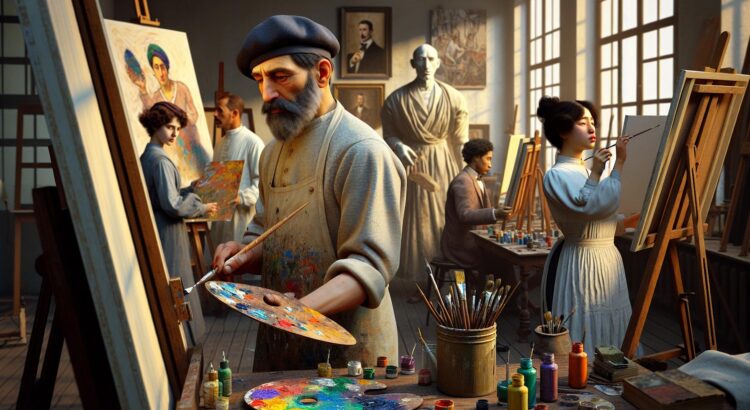


 for commercial use to attract your target audience’s attention and to convey your message.


 Aside from the massive 93 million high quality royalty-free stock files in the library, there are many other reasons why you should sign up to Shutterstock. The stock media agency also offers straightforward prices. All you have to do is find a plan that suits your creative needs and budget, and you can start with downloading the images, videos or music you need. You can purchase image packs or subscribe to a plan, whichever you find suitable.
 Bigstock is a fast and easy-to-use photo marketplace for creative professionals. It offers over 35 million high quality images and videos from talented photographers and designers around the world. Founded in 2004, it grew into one of the go-to places for premium content in the Internet. Acquired by Shutterstock in 2009, it adopted a newer and fresher look, and changed its name from BigStockPhoto to Bigstock in 2010.
